The Studio-to-Street Formula That Actually Works in Cold Weather

Quick Answer: Cold-weather studio-to-street works by adding one structured outer layer and swapping only your shoes and bag — not by changing your entire base outfit — since your workout layers are already warm enough underneath a real coat. The mistake most people make is over-layering from scratch instead of building on what they’re already wearing.
The warm-weather version of this outfit trick — one swap and you’re done — genuinely stops working once real cold sets in. But the fix isn’t starting over, it’s adding smartly to what’s already on your body.
Why doesn’t the warm-weather one-swap trick work in cold weather?
A single swap (shoes, or a light jacket) assumes your base layer is already close to street-appropriate, which it usually is in mild weather but isn’t once temperatures drop. Leggings and a sports bra or tank under nothing but a light jacket reads as workout clothes specifically because there’s not enough coverage or structure to read as an intentional outfit in cold weather.
The fix isn’t more layers of activewear — it’s one genuinely structured outer piece that changes the silhouette entirely, which a thin zip-up can’t do.
What’s the actual formula that works?
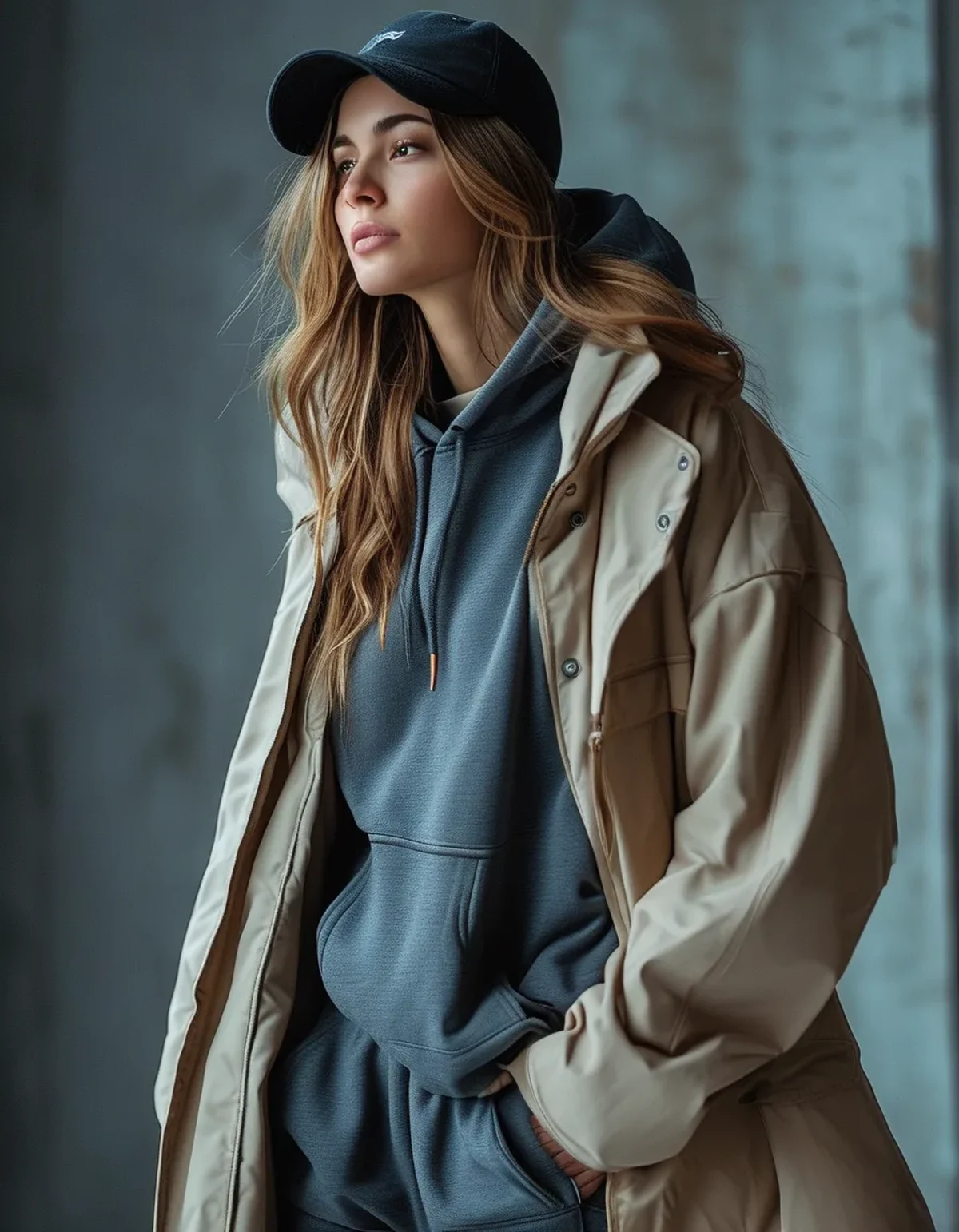
One structured coat (wool, faux-wool blend, or a longer puffer past the hip) worn open or belted over your existing workout top, plus a shoe swap and bag swap — that’s the full formula, and it works because the coat’s silhouette does the visual work your top and bottoms can’t do alone in the cold.
Length matters more than warmth rating here: a coat that hits mid-thigh or longer covers enough of your leggings that the overall look reads as “outfit with leggings” rather than “leggings with a coat on top.”
Does the shoe swap matter as much in cold weather?
Arguably more — sneakers paired with a long coat can still look intentional, but studio slides or barefoot shoes read as unfinished in a cold-weather outfit specifically because they signal you’re not actually dressed for outside. A clean white or neutral sneaker under a longer coat is the most reliable cold-weather pairing — it doesn’t fight the coat’s more polished silhouette the way a bulkier training shoe can.
What Nobody Tells You About Cold-Weather Studio-to-Street
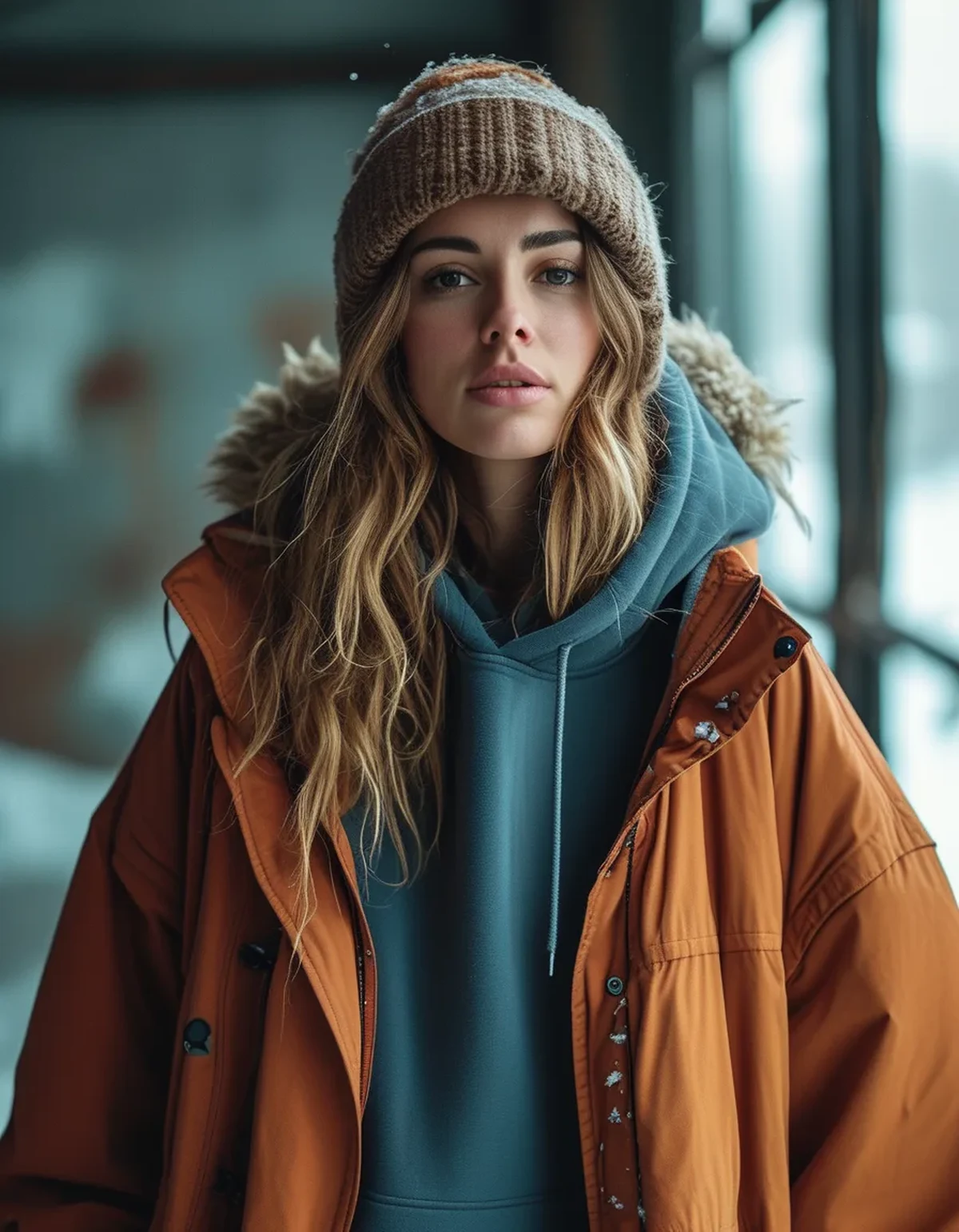
A scarf or large wrap does more visual work than people expect — it breaks up the workout-top-plus-coat silhouette at the neckline, which is often the area that most clearly reads as “still in gym clothes” even under a great coat. Gloves matter too, for the same reason — bare hands under a polished coat is a small but real detail mismatch, while gloves complete the “dressed for outside” signal instantly.
Your bag genuinely carries more visual weight in winter outfits — a structured tote or crossbody reads as intentional in a way a drawstring gym bag doesn’t, especially once your coat is already doing most of the outfit-elevating work and the bag is one of the only other visible details.
How do you keep this look warm without adding bulk?
Thin, technical base layers under your existing workout top (rather than adding a bulky sweater on top of it) keep warmth up without adding visual bulk under the coat. A thin base layer under a sports bra or tank, then the coat over it, keeps the silhouette clean while still trapping real heat — bulkier layering in between tends to fight the coat’s shape instead of working with it.
FAQ: Cold-Weather Studio-to-Street, Answered
Do I need a completely different coat just for this, or can I use my regular winter coat?
Your regular winter coat works fine — the formula doesn’t require a special “athleisure coat,” just one with enough length and structure to change the overall silhouette.
What if my studio doesn’t allow bulky bags or coats inside?
Most studios have cubbies or a coat rack specifically for this — check ahead, but this is rarely an actual barrier since studios expect people to arrive and leave in outerwear.
Does this formula still work for below-freezing temperatures?
Yes, with warmer base layers underneath — the formula (structured coat, shoe swap, bag swap) holds; you’re just increasing the warmth of what’s underneath the coat, not changing the overall approach.
TL;DR:
- The warm-weather one-swap trick fails in cold weather because your base layers alone don’t read as street-ready
- One structured, longer coat over your existing workout top does most of the visual work
- Shoes, a scarf, gloves, and your bag are the small details that finish the look once the coat is on
- Thin technical base layers keep you warm without adding bulk that fights the coat’s silhouette
Cold weather doesn’t mean starting your outfit over from scratch — it just means the swap moves from your top to your outer layer.
See It in Motion
Keep Reading
This article is for general informational and styling purposes only. Fit, sizing, and product availability may vary.