Why the Studio to Street Outfit Fails on the Walk Rather Than in the Class

Quick Answer: The failure point is the transition, not either destination. You are damp, your body temperature is dropping, and you are carrying things. Solve it with a dry top to change into, a structured outer layer that covers the athletic base, one bag rather than two, and shoes that work on both ends. Change the top and the shoes and almost nothing else needs to happen.
The class was fine. Dinner was fine.
The fifteen minutes in between were the problem.
That is the part nobody plans for.
Why is the transition the hard part?
Because you are in a state that neither destination accounts for.
You are damp and cooling fast. Post-workout, your body temperature drops quickly and wet fabric conducts heat away. A cool evening walk in a damp top is genuinely unpleasant regardless of how the outfit looks.
Athletic fabric reads differently once it is damp. Technical fabric shows sweat marks and clings in ways that undo an otherwise well-put-together outfit.
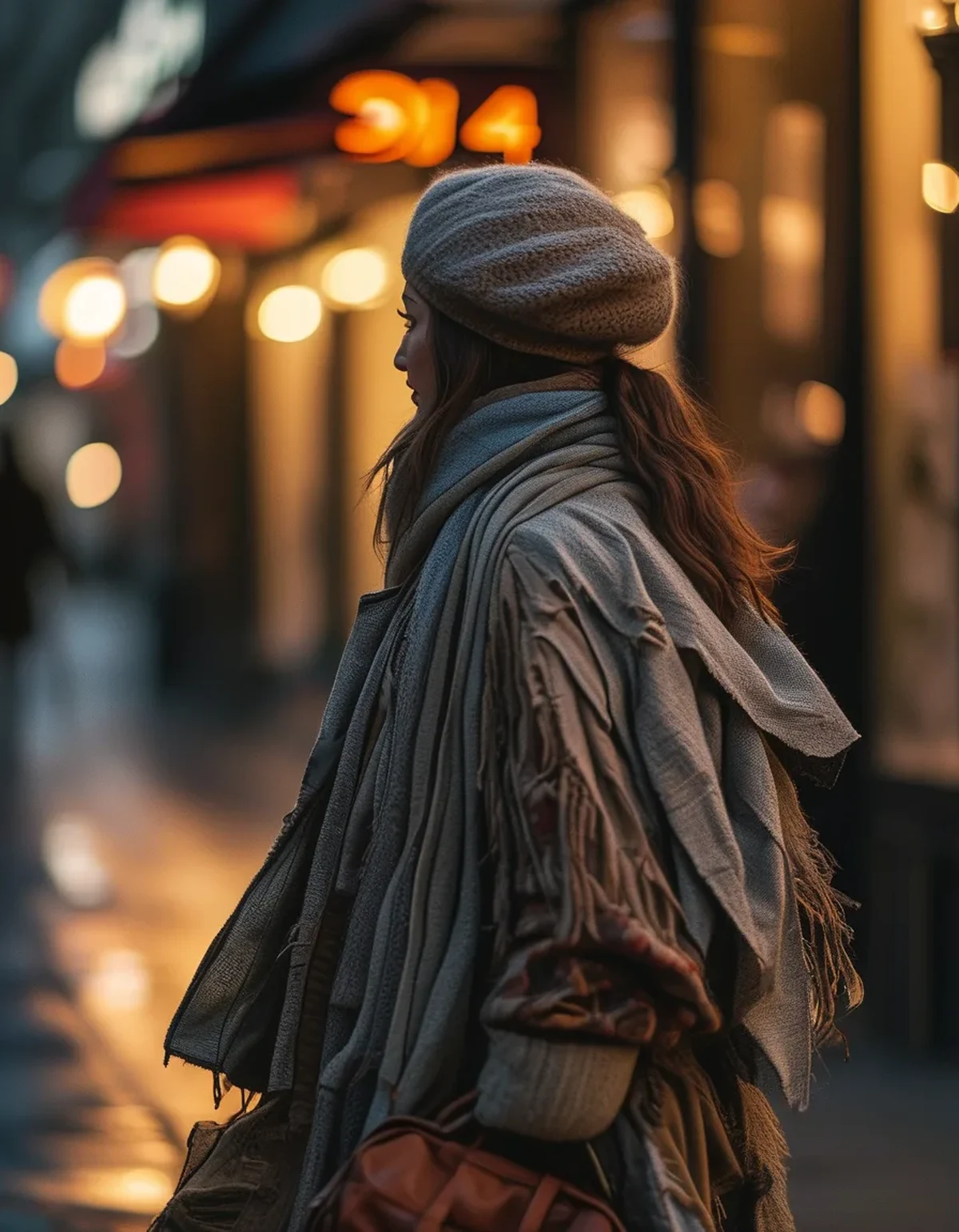
You are carrying things. Whatever was in your hands during the class is now in your hands on the street, and a proper gym bag is what makes an outfit look like gym kit more than the clothes do.
Your hair and face are post-workout. Usually the actual limiting factor, and rarely accounted for in outfit planning.
Shoes are the giveaway. Studio trainers on an evening street read as athletic regardless of what else you are wearing.
And the temperature swing is real. A warm studio to a cool autumn street is a 20-degree change in a few seconds, at exactly the moment your body has stopped producing heat.
What should the base outfit be?
Six choices that make the transition trivial.
Matte black leggings or a matte legging-trouser. Matte is the single most important detail — shiny technical fabric reads as sportswear under evening light, matte reads as fabric.
A plain bra top or fitted base with no visible branding. This is what shows if the outer layer comes off, and it should be deliberately unremarkable.
A dry top to change into, always. Not optional. Changing the top takes thirty seconds and resolves the damp problem entirely. A fine knit, a silk-blend shirt or a plain long-sleeve.
A structured outer layer. Blazer, shacket, or a good coat. Structure is what converts an athletic base into an outfit, and it also solves the cooling problem.
Shoes that work both ways, or a swap. A clean minimal trainer works for both. If your studio shoes are obviously athletic, a flat boot or loafer in the bag is worth the space.
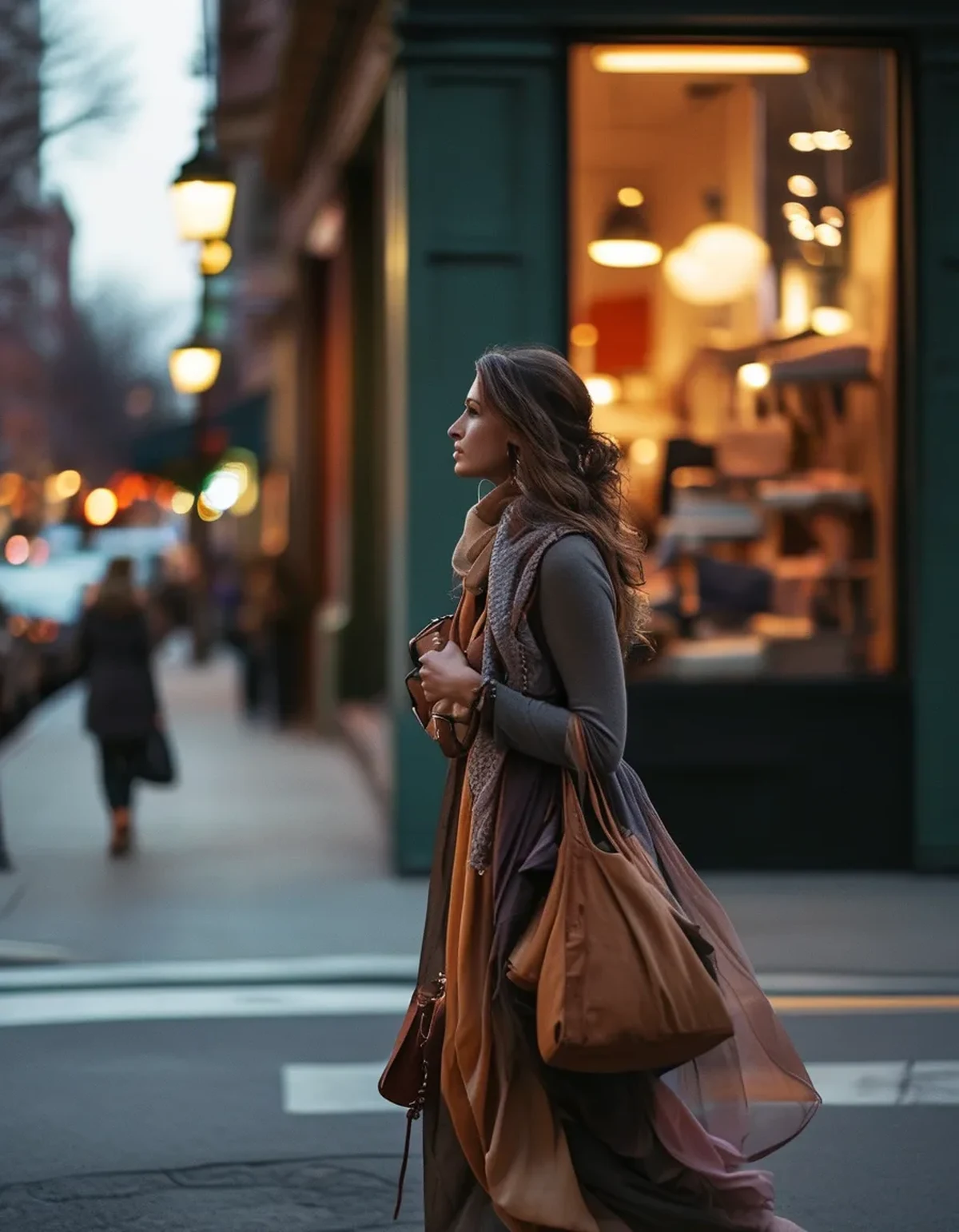
One bag that holds everything. A structured tote or a good crossbody. Two bags is what makes the whole thing look improvised.
What does the actual swap look like?
Six steps, and the whole thing takes under three minutes.
Change the top, always. The damp one goes in the bag. This is the step that matters most and the one people skip when short of time.
Change the shoes if they are obviously athletic. Second most valuable step, and it takes twenty seconds.
Add the structured layer. Blazer or shacket over the top. This is what shifts the register.
Deal with hair in one move. Down if it was up, or up deliberately if it was down. One change, not a restyle.
Add one accessory. Earrings, a necklace, a watch. Three seconds and it makes the outfit look chosen.
Rebalance the bag. Damp kit in a separate pouch, everything else tidy. A bag that closes properly looks completely different from one that does not.
Seasonal note: the transitional season actually makes this easier — a shacket or light coat is expected outerwear, so the converting layer no longer looks like a deliberate cover-up. In high summer, with no outer layer available, the studio-to-street swap is genuinely harder.
What Nobody Tells You About Studio to Street
The dry top does more than any other item. Being dry changes how you feel, how the fabric hangs and how the outfit reads. Everything else is secondary to it.
The bag gives it away faster than the clothes. A branded gym holdall undoes a carefully assembled outfit instantly. A structured tote that happens to contain gym kit does not.
Matte versus shiny is the whole distinction. More than fit, more than cut. Shine reads as sportswear; matte reads as clothing. If you only change one thing about what you buy, change that.
Nobody can tell you came from a class if the shoes are right. Shoes carry more signal than any other item, and swapping them is the cheapest possible fix.
Two bags always looks improvised. One bag that holds everything is worth buying specifically for this.
And the practical one people underestimate: plan for the walk, not for the destination. If the fifteen minutes between are comfortable, both ends take care of themselves — and if they are not, you arrive cold and unsettled regardless of how good the outfit is.
FAQ: Studio to Street Questions, Answered
What is the minimum swap?
A dry top and the shoes. Those two, plus a structured layer, cover almost every situation.
How do I stop activewear looking like gym kit?
Matte fabric, no visible logos, a structured outer layer, non-athletic shoes. In that order of impact.
What should I carry it all in?
One structured tote or a good crossbody. Two bags is what makes it look unplanned.
Do I need to fully change?
No — that is the point. Changing the top and shoes achieves most of it in under a minute.
What about hair and makeup?
One deliberate change to the hair, and whatever you would normally do. This is usually the real limiting factor, so plan it rather than improvising.
What layer works best?
A blazer for smarter plans, a shacket for casual ones. Both add structure, and both solve the post-workout cooling problem.
Is this harder in summer or winter?
Summer. Without an outer layer, the converting piece is missing and the athletic base has nothing over it. Autumn and winter are considerably easier.
TL;DR:
- The outfit fails in the transition, not at either destination — damp, cooling, and carrying things.
- A dry top to change into does more than any other single item.
- Matte fabric, no logos, a structured layer, non-athletic shoes is the whole conversion.
- One bag, not two. The bag gives it away faster than the clothes do.
- Swap the top and the shoes and you are done in under a minute.
Put a folded fine-knit top in your bag before your next evening class. It is the difference between the walk being fine and the walk being the worst part of the evening.
See It in Motion
Seen here: High Waist Embossed Yoga Leggings with Side Pockets — shop it on bubblelime.com
Keep Reading
This article is for general informational and styling purposes only. Fit, sizing, and product availability may vary.